Object to a planning application like an expert, in minutes
FreeCheck if you have solid grounds to object before you payThe AI planning objection writer for residents who want to be heard. Triple checked against your council's own documents, so every policy it cites is real.
£50 for the letter. Full refund if you are not happy with the output.

As seen in


- The Developer
- The Negotiator
Most objections fail for the same reason
They say what someone dislikes, not which policy the proposal breaches. A case officer has to address the second kind in their report and can simply note the first.
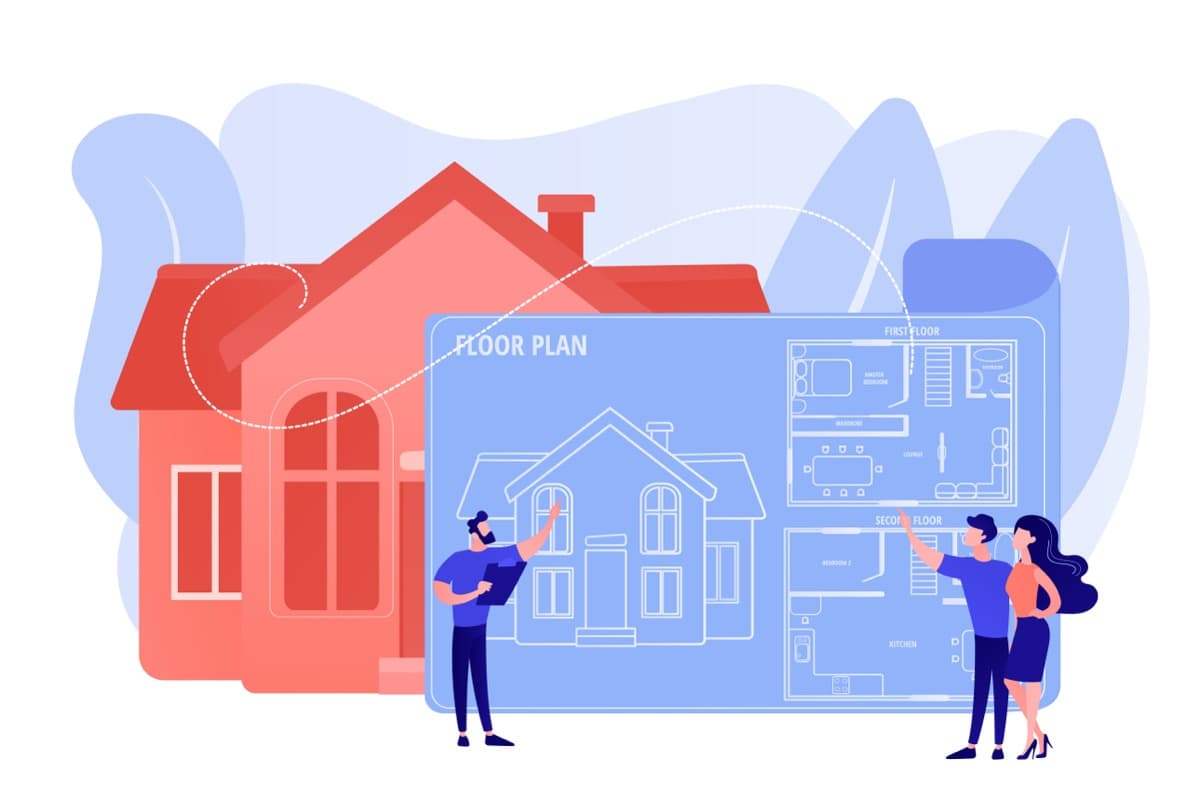
Enter the application number
We find it across around 430 UK authorities and show you the address, the proposal and the deadline.

We check it, free
Designations, your council's adopted local plan, the applicant's own documents. Then we tell you which grounds you have and how strong each one is.
We write the letter
Two to three sides answering the applicant's case, citing policy by number. Edit anything, download as Word, submit in your own name.
An AI planning objection writer you can put your name to
The fair criticism of AI-written objections is that they can be fluent and wrong. One invented policy number and a case officer discounts the whole letter, with your name on it. So every quotation is matched word for word against the council's own document, every policy number is looked up in the adopted plan, and a separate review reads the finished letter back against both. You can see the source text behind every citation on your letter page.
How that worksWhat people say about us
1,000s of objections submitted across UK planning authorities.



“Absolutely fantastic! PlanningObjection.com saved me countless hours of research and writing. They created a solid objection letter with all the relevant local policy points addressed.”
 Fiona ThompsonDerby
“Efficient, detailed, and perfectly fit for purpose. The letter was comprehensive and well-structured. It was reassuring to see it cover all the key aspects of my local council's plan.”
 Nick DanielsBrighton
“I was unsure about using an AI service, but it surpassed all my expectations. The letter was meticulous and persuasive, grounded in all the relevant planning policies.”
 Graham JohnsonBerkshire
Frequently asked questions
- How do I know the policies you cite are real?
- Because we check them. Every policy number is searched for in the council's own adopted plan, and every passage in quotation marks is matched word for word against the source. A separate review then reads the finished letter against those documents looking for anything they do not support. You can see the source text behind every citation on your letter page.
- What counts as a valid reason to object?
- Material planning considerations: conflict with the development plan, overlooking and loss of privacy, loss of light, noise, highway safety, parking, design and scale, harm to a listed building or conservation area, trees, ecology and flood risk. Loss of property value, loss of a private view and boundary disputes are not material, and we will not argue them, because raising them weakens everything else in the letter.
- How much does it cost, and how long does it take?
- The grounds check is free. £50 for the letter, one payment, no subscription. A planning consultant would typically charge £400 to £1,500 for the same work. The letter arrives within minutes, and you can edit it, ask for a redraft and download it as a Word document.
- Can you guarantee the application will be refused?
- No, and nobody can. A council weighs objections against the development plan and everything else that is material. What we can do is make sure your objection engages the policies the case officer is obliged to apply, so it has to be addressed in their report rather than simply noted.
- Do I submit the letter myself?
- Yes. You send it to the council in your own name, through their comment form or by email to the case officer. Councils do not accept anonymous objections, and they publish your name and address on the planning register.
Anything else? Ask us.
There is usually a deadline
Consultation periods are typically 21 days. We'll tell you how long you have, and whether you have a case, before you pay anything.
Object Now